


Fire Door Repair Techniques: Best Practices for Safety and Compliance
Fire doors are critical components in commercial and industrial buildings. They protect lives and property by slowing the spread of fire and smoke. When a fire door is damaged or not functioning properly, it compromises the entire safety system. That is why understanding fire door repair techniques is essential for maintaining safety and meeting regulatory requirements.
In this post, I will guide you through the best practices for repairing fire doors. You will learn how to identify common issues, apply effective repair methods, and ensure your fire doors continue to perform as intended. Let’s dive in.
Understanding Fire Door Repair Techniques
Repairing fire doors requires precision and care. These doors are not like regular doors; they have specific components designed to resist fire for a set period. When you repair a fire door, you must preserve its integrity and functionality.
Here are some key techniques to keep in mind:
Assess the damage carefully: Before starting any repair, inspect the door thoroughly. Look for cracks, warping, damaged seals, or hardware issues.
Use approved materials: Only use fire-rated materials and components that meet safety standards. This includes intumescent strips, fire-resistant glass, and certified hinges.
Maintain the door’s structure: Avoid cutting or altering the door in ways that reduce its fire resistance.
Replace damaged parts promptly: If any part of the door or frame is compromised, replace it with an approved equivalent.
Test the door after repair: Ensure the door closes properly, latches securely, and the seals expand as expected during a fire.
By following these techniques, you can extend the life of your fire doors and keep your building compliant with fire safety codes.
What are common fire door failures?
Knowing the typical failures helps you spot problems early and address them before they become serious. Here are some of the most frequent fire door issues I encounter:
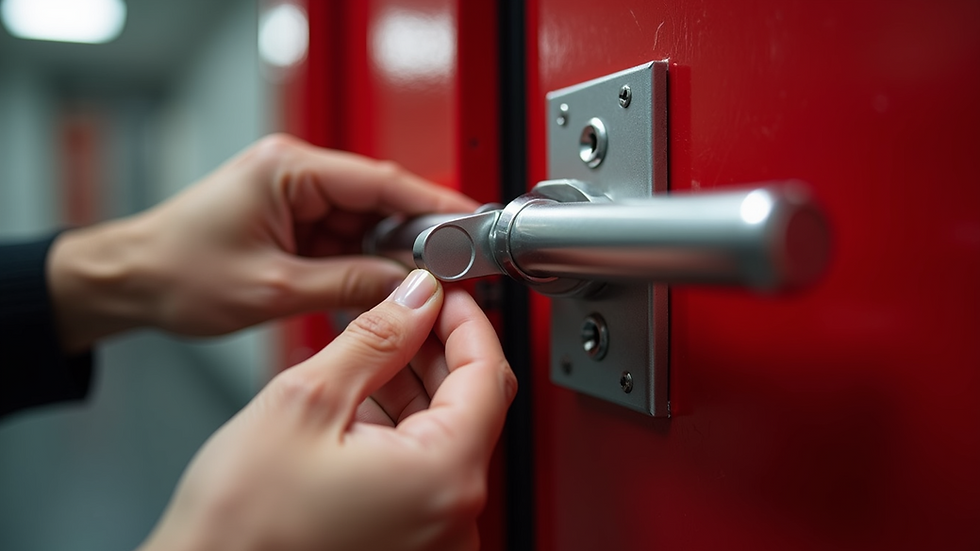
Damaged or missing intumescent seals: These seals expand when exposed to heat, sealing gaps to prevent smoke and fire spread. If they are cracked, missing, or painted over, the door’s effectiveness drops.
Warped or cracked door panels: Heat, moisture, or impact can cause the door to warp or crack, compromising its fire resistance.
Faulty or missing hardware: Hinges, latches, and closers must be fire-rated and in good working order. Loose or broken hardware can prevent the door from closing properly.
Improper door gaps: Gaps between the door and frame that are too wide allow smoke and fire to pass through.
Non-compliant modifications: Cutting holes for cables or vents without proper fire-rated covers weakens the door.
Regular inspections help catch these failures early. When you find them, use the right repair techniques to restore the door’s protective function.
Step-by-step guide to repairing fire doors
When you decide to repair a fire door, follow these steps to ensure a safe and effective job:
Conduct a thorough inspection
Check the door leaf, frame, seals, hardware, and any glazing. Document all issues.
Remove damaged components
Carefully take out broken seals, hardware, or panels without damaging the surrounding structure.
Source approved replacement parts
Use only fire-rated materials that comply with local fire safety regulations.
Install new seals and hardware
Fit intumescent strips and smoke seals precisely. Replace hinges, closers, and latches with certified parts.
Repair or replace door panels if needed
For warped or cracked doors, replacement is often safer than repair. If minor damage, use fire-resistant fillers or patch kits.
Check door alignment and gaps
Adjust hinges and frames to ensure the door closes fully with minimal gaps.
Test the door’s operation
Confirm the door closes smoothly, latches securely, and the seals expand under heat.
Document the repair
Keep records of the work done, parts used, and inspection results for compliance and future reference.
Following this process helps maintain the fire door’s integrity and ensures it performs correctly in an emergency.

Tips for maintaining fire doors after repair
Repairing a fire door is only part of the job. Ongoing maintenance is crucial to keep it effective. Here are some practical tips:
Schedule regular inspections: Check fire doors at least twice a year or as required by local codes.
Keep doors clear and unobstructed: Avoid placing objects that block door operation or damage the frame.
Clean seals and hardware: Dirt and debris can affect the door’s closing and sealing ability.
Train staff on fire door importance: Make sure everyone understands not to prop open fire doors or tamper with hardware.
Address issues immediately: Don’t delay repairs if you notice damage or malfunction.
By staying proactive, you reduce the risk of fire door failure and enhance building safety.
Why professional fire door repair matters
While some minor maintenance can be done in-house, professional fire door repair is often necessary. Certified technicians have the expertise and access to approved materials to ensure repairs meet safety standards.
Choosing a trusted service provider like All Fire Doors (AFD) guarantees:
Compliance with fire safety regulations
Use of high-quality, fire-rated components
Thorough inspections and documentation
Peace of mind knowing your fire doors will perform when needed
If you want to protect your building and occupants, investing in professional fire door repair is a smart decision.
Fire doors are your last line of defense in a fire emergency. By understanding and applying the best repair techniques, you can keep these vital safety features in top condition. Remember to inspect regularly, use approved materials, and seek professional help when needed. Your commitment to fire door maintenance helps save lives and protect property every day.


Comments